


Vision, Touch, Hearing, Smell, Taste
- Lidia Amarante
- Sep 20, 2020
- 3 min read
Today it rains! How good it is to smell the wet earth, to run my hands over the wet leaves, to feel its texture and the drops of water that splash my face.
Hear the "trach" of the leaves already dried under the feet and "splich" when I pass into a puddle of water.
Today I allowed myself to do all this and repeat what gave me pleasure in my childhood. Grab the Eucalyptus flower that so often, in my games, served as currency or potatoes to accompany steaks or fish that were nothing more than their leaves. Pass under the fig tree and become irritated on the body due to the sap of the leaves. Make cod bones with pine needles and a few other things.
While enjoying these moments I found myself thinking that we parents, for health and hygiene reasons, ended up preventing our children, during their early childhood, from the pleasures and learning through the senses, mainly the touch, in which the real, the sensation and printing is much more important than mere image information. I know it is not easy, especially in the present time when hygiene is important and must be treated, I mean, almost like an obsession leads us to put a little bit of sensory stimulation during early childhood. But, I am also aware that for a good development of the child, it should not be left aside or neglected, taking the necessary precautions to clean objects and taking care in places where sensory stimulation takes place, is of great importance, especially in the 0 to 3 years of life that it is practiced and stimulated.
It’s easy? Not at all because the mind of any parent works for the health and well-being of their child.
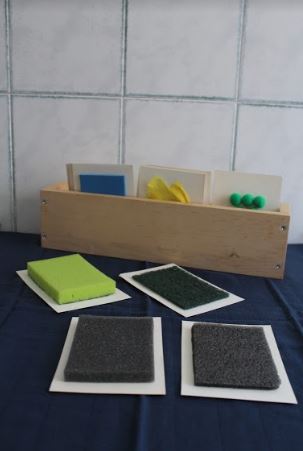
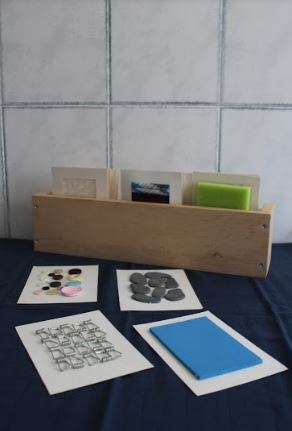
We have to think, feel and reflect that for your well-being, everything is necessary, and that it is through sensory exploration, whether by presenting a simple cardboard box or a sheet that meets your exploration desires, will help you to concentrate and get to know the world as it is, to acquire the tools that will later help you in the development of skills, such as cognitive, language, motor coordination, attention, balance, memory, creativity and social.
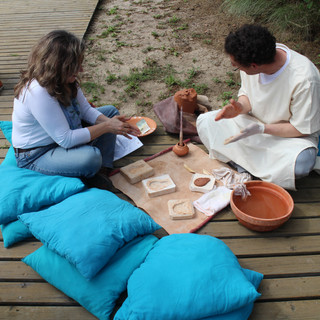
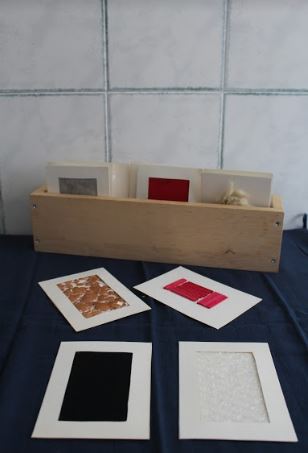
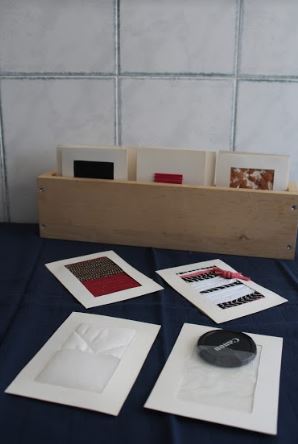
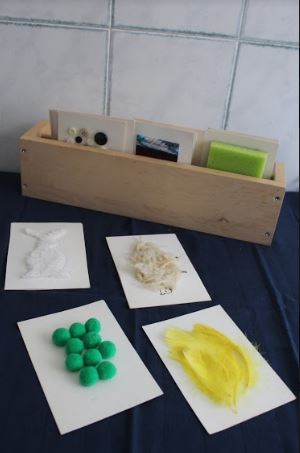
It's difficult? Reflecting on my childhood and that of my children and the current offer, I think so and no. We must focus on no and be able to see that through small things, such as avoiding plastic or technological toys that limit the development of the senses and exchange for other natural products; small homemade activities such as cards or sensory boards created through small things that surround us; whenever possible stimulate outdoor play, where the scent of flowers, earth, feel grass or sand under your feet, hug a tree, feel the drops of water that the splash of a stream or waterfall, the wind running on the face… finally, a multitude of activities that only outdoor play provides even if they get dirty or hurt. In the end it is gratifying to see and be able to say: my children know… they identify… and they know that they should not do it because… they learned to know the reality around them, to assess the risks and to make the most appropriate decisions
My mind seethes between what I did and the multitude of possible activities, but aware that the important thing is the quality and not the quantity, as Maria Montessori “tells us” the concentration of attention requires progressive stimuli, nothing better than each father and mother taking advantage of objects of interest to the child, easily identifiable by the senses, develop the games that best adapt to their shoots and thus provide them with healthy growth where everything is knowledge and learning.
I love the smell of nature and knowing when I grab an acorn or leaf to know if it is from Cork or Oak, that girl, that young man too








Comments