


Sargaço! Sargaço!
- Lidia Amarante
- Aug 7, 2022
- 2 min read
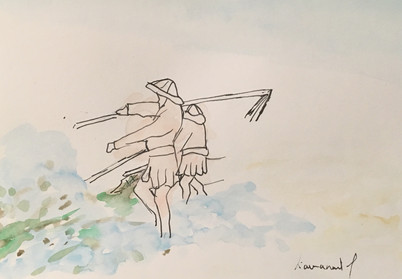
A few years ago, but not a few, the sargaceiros of Apúlia, during the seas in the months of August and September, listening to - Sargaço! Sargassum, the Sargaceiro dressed in their whitewash and southeasterly on their heads, carrying their shed or bagpipes, run in the land to set out to sea to catch the algae that came off the almost submerged rocks, dragging them ashore.
The sargaceiras transported them on carts as far from the sea as possible, making beds for drying.
After drying, it was empalado and placed in small padelos to be transported to the huts, where it would remain piled up in saws, until its use as fertilizer for the land, especially in the masseiras.
With the passing of time, the sargaceiro on the beaches stopped being heard and seen and during the seas much was the sargaço that remained on the sands of the beach.
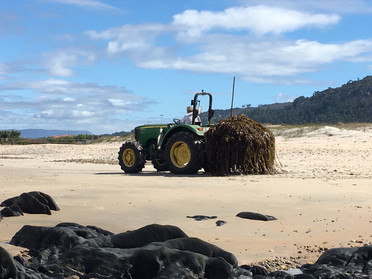
With the growing need to reduce the use of chemicals as fertilizers for crops or pest control and the dangers it poses to public health, recognizing the properties of sargassum, little by little this sargassum collection activity has gained a new life and a collection process, rarely at sea, they collect what is washed ashore and transport it on tractors to their lands.
Some of these algae are used for phytosanitary products, but the Apulian farmer only sells a part of the harvest during each season, from May to December, and only if there is a surplus and there is no shortage on his land.
How nice it is to walk on the fine sands of the beach, watch the sargassum gather, feel the freshness of the sea air, dip your feet in the salt water and breathe in the smell of the sea.





Comments